Shady Forest: The Resurgence of Gothic Typography in Modern Design
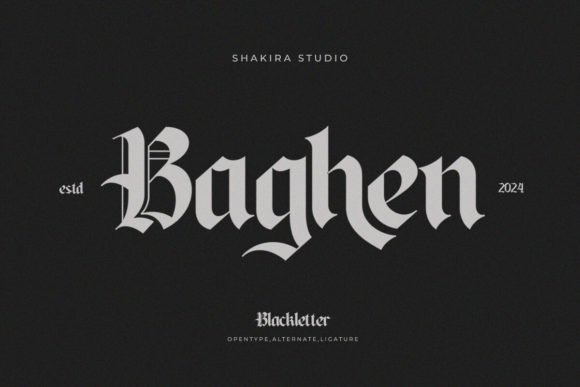
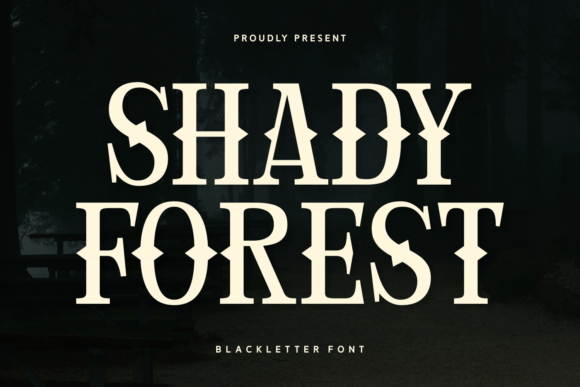
In a digital landscape often dominated by clean sans-serifs and minimalist aesthetics, there is a growing appetite for textures that tell a story. This shift has brought Shady Forest into the spotlight. It is not merely a typeface; it is a visual statement. As a tattoo-style blackletter font with bold, angular strokes and a dark, mysterious vibe, Shady Forest captures the imagination of creators looking to break away from the sterile uniformity of modern web design. Inspired by shadowy woods and gothic aesthetics, this font offers a striking blend of medieval charm and modern edge, making it an essential tool for those who want their work to feel timeless yet undeniably contemporary.
The relevance of Shady Forest extends far beyond its historical roots. While blackletter scripts were once the standard for printing before the Renaissance, they fell out of favor during the 20th century, associated heavily with specific political movements or perceived as difficult to read. Today, however, the narrative has shifted. We are seeing a reclamation of these styles, stripped of their negative connotations and repurposed for artistic expression. This evolution reflects a broader cultural trend where audiences crave authenticity, depth, and a connection to the past, even within high-tech environments.
The Anatomy of a Dark Aesthetic
To understand why Shady Forest resonates so deeply with current design sensibilities, one must look at its construction. Unlike the fluid curves of calligraphic scripts or the rigid geometry of neo-grotesque fonts, Shady Forest relies on contrast and weight. Its bold, angular strokes create a sense of permanence and strength. These sharp edges mimic the jagged lines of ancient trees or the intricate ironwork of gothic cathedrals, evoking the feeling of walking through shadowy woods where light filters unevenly through dense canopies.
This specific visual language serves a functional purpose in branding and communication. In a world of infinite scrolling and fleeting attention spans, a font that demands to be looked at holds significant value. The dark, mysterious vibe inherent in the typeface creates an immediate emotional hook. It suggests exclusivity, rebellion, and a touch of the forbidden. For designers, this means Shady Forest is not just about legibility; it is about setting a mood before a single word of body copy is read.
The versatility of the font lies in its ability to bridge eras. While it is rooted in the medieval tradition of blackletter, its execution feels distinctly modern. The spacing and stroke weights have been optimized for contemporary applications, ensuring that while it looks old-world, it functions seamlessly in digital formats. This balance allows professionals to utilize the font without sacrificing usability, a critical factor in modern workflows where typography must perform across various screen sizes and print mediums.
Why the Return to Gothic Styles Matters Now
The resurgence of fonts like Shady Forest is not an isolated incident but part of a larger movement in graphic design known as "neo-gothic" or "dark academia" aesthetics. This trend is particularly strong among adults aged 20 to 50, a demographic that includes entrepreneurs, freelancers, and creative directors who are increasingly tired of the homogenized look of corporate minimalism. There is a desire to inject personality and history into brand identities.
We are witnessing a shift in user expectations. Audiences today are more visually literate than ever before. They recognize when a design is trying too hard to be safe and sterile. By incorporating elements like the bold, angular strokes found in Shady Forest, brands signal that they have confidence and a unique perspective. This is especially true in industries such as fashion, music, gaming, and lifestyle products, where differentiation is key to survival.
Furthermore, the rise of remote work and digital-first businesses has led to a saturation of similar-looking websites and social media profiles. To stand out, creators are turning to typographic choices that evoke emotion. Shady Forest fits perfectly into this need. It provides a way to communicate values like resilience, mystery, and craftsmanship without saying a word. It transforms a simple logo or headline into a piece of art that invites closer inspection.
Practical Applications Across Industries
The utility of Shady Forest is vast, spanning several sectors where visual impact is paramount. Its primary association is with tattoos, given its name and style. In the tattoo industry, the font's boldness ensures that designs remain legible and striking even as they age on skin. The angular nature of the letters allows for intricate detailing that complements other gothic imagery, such as skulls, daggers, or forest motifs. Artists appreciate the font because it mimics the natural flow of ink while maintaining structural integrity.
Beyond body art, Shady Forest is proving invaluable for poster design and event marketing. Concert posters for metal, punk, or indie bands frequently utilize this style to convey the energy and intensity of the music. The dark, mysterious vibe aligns perfectly with genres that explore themes of darkness, introspection, and rebellion. Similarly, film festivals, horror movie releases, and theater productions use the font to set an atmospheric tone, drawing audiences in with a promise of an immersive experience.
In the realm of business and entrepreneurship, the application of Shady Forest requires a strategic approach. It is rarely used for body text due to readability concerns, but it excels as a display font for logos and headlines. Craft breweries, boutique clothing brands, and artisanal food producers often adopt this aesthetic to emphasize tradition and quality. A brewery named "Iron Oak" or a leather goods company called "Midnight Forge" benefits immensely from a logo rendered in Shady Forest. It instantly communicates a narrative of heritage and rugged individualism.
- Tattoo Studios: Using the font for menu boards, signage, and promotional materials to attract clients interested in traditional or neo-traditional styles.
- Musicians and Bands: Applying the typeface to album covers, tour merchandise, and social media graphics to establish a cohesive visual identity.
- Craft Businesses: Leveraging the medieval charm for packaging and labels to distinguish products in crowded marketplaces.
- Digital Creators: Incorporating the font into YouTube thumbnails, podcast artwork, and blog headers to capture attention in feed-heavy environments.
Integrating Shady Forest into Modern Workflows
For professionals integrating Shady Forest into their projects, understanding its limitations and strengths is crucial. While the font is visually arresting, it should be paired carefully with more neutral typefaces for supporting text. A common mistake is overusing blackletter styles, which can lead to visual fatigue and reduced comprehension. The goal is to let Shady Forest shine as the focal point while ensuring the rest of the design remains accessible.
Modern design software has made working with complex fonts easier than ever. Whether using vector-based tools for print or raster editors for digital media, the scalability of Shady Forest ensures that the bold, angular strokes do not lose their definition. However, designers must pay close attention to kerning and leading. The intricate details of the font can become muddy if the spacing is too tight, particularly at smaller sizes. Testing the font across different backgrounds—especially dark ones—is also recommended to ensure the contrast remains effective.
Moreover, the integration of this font into digital marketing strategies requires a nuanced understanding of the target audience. While the gothic aesthetic appeals to many, it may not resonate with every brand identity. Marketers should consider whether the dark, mysterious vibe aligns with their core message. If the goal is to project trust, transparency, and simplicity, Shady Forest might send mixed signals. Conversely, if the brand aims to project power, creativity, and a touch of edginess, it becomes a powerful asset.
Future Trends and Longevity
Looking ahead, the trajectory of Shady Forest and similar blackletter fonts appears promising. As technology advances, we are seeing a move towards more personalized and expressive digital experiences. Fonts are no longer static assets; they are dynamic elements that contribute to the overall narrative of a brand. The ability of Shady Forest to evoke a specific time and place while remaining relevant in a modern context suggests it will continue to be a staple for designers seeking to make a statement.
The evolution of the font itself may also play a role in its longevity. Font foundries are increasingly releasing variable versions of classic styles, allowing designers to adjust weight and width dynamically. While Shady Forest currently stands as a fixed-weight masterpiece, future iterations could offer even more flexibility, adapting to new trends in motion graphics and interactive design. This adaptability ensures that the font remains useful as design paradigms shift.
Ultimately, the enduring appeal of Shady Forest lies in its ability to connect with human emotions. In an era of rapid technological change, people seek anchors to the past, symbols of stability and depth. This font provides exactly that. It reminds us of the shadowy woods, the ancient forests, and the stories told in the dim light of candlelit halls. For creators, entrepreneurs, and everyday enthusiasts, embracing Shady Forest is a way to honor that history while forging a path forward with confidence and style.