Architoria: Integrating a Victorian Blackletter Font into Modern Design Workflows
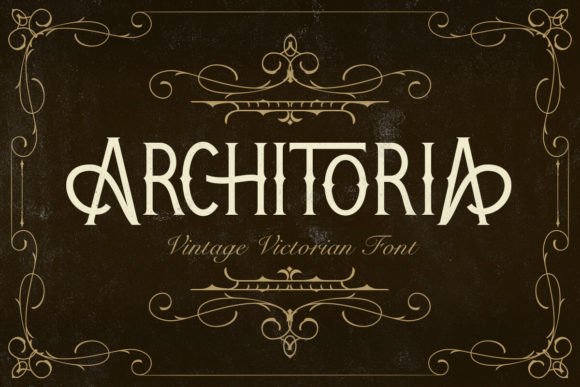
In the landscape of digital typography, few styles command as much immediate attention and historical weight as blackletter. Among the contemporary interpretations of this classic style, Architoria stands out as a robust choice for designers seeking to infuse their projects with a vintage, Victorian aesthetic. Unlike generic script fonts that often lack structural integrity, Architoria offers a distinct character set rooted in the ornate traditions of the 19th century while remaining functional for modern applications. For professionals ranging from brand strategists to independent freelancers, understanding how to integrate Architoria into a broader creative process is essential for achieving high-quality, cohesive results.
The decision to use a specific typeface is rarely an isolated event; it is a strategic move within a larger design workflow. When selecting Architoria, the goal is typically to evoke a sense of heritage, authority, or timeless elegance. This font fits seamlessly into projects where the visual narrative requires a bridge between the past and the present. Whether you are designing a logotype for a craft brewery, creating a poster for a historical society, or branding a luxury boutique, Architoria serves as the visual anchor that defines the project's tone before a single line of body copy is written.
Defining the Role of Architoria in Project Planning
Before opening any design software, the integration of Architoria begins with the planning phase. In a professional workflow, the selection of a typeface dictates the hierarchy, spacing, and overall layout of a composition. Architoria, with its intricate strokes and sharp contrasts, demands a different approach than sans-serif or standard serif fonts. It is not merely a decorative element but a structural component that influences how information is consumed.
When evaluating a new project, ask whether the content aligns with the heavy, gothic nature of Architoria. This font excels in headlines, logos, and short bursts of text where impact is paramount. It is less suited for long-form reading due to the density of its characters. By making this distinction early in the planning stage, you prevent common pitfalls such as poor legibility or visual clutter. This initial assessment ensures that the font supports the communication goals rather than obstructing them.
Consider the target audience during this phase. Adults aged 20 to 50, particularly those in creative industries or small business ownership, often appreciate designs that signal craftsmanship and authenticity. Architoria taps into this appreciation by offering a look that feels hand-crafted and deliberate. However, the implementation must be intentional. Using a Victorian-style font on a tech startup landing page might create cognitive dissonance unless the brand story specifically leverages a retro-futuristic or artisanal angle. The planning stage is where these contextual decisions are solidified.
Technical Implementation and Compatibility
Once the conceptual fit is established, the focus shifts to technical execution. Architoria must be compatible with the tools and platforms used throughout the production pipeline. Most modern design workflows rely on vector-based software like Adobe Illustrator, Affinity Designer, or CorelDRAW. These platforms handle the complex curves and ligatures of blackletter fonts effectively, allowing for precise manipulation of kerning and tracking.
For web-based projects, compatibility becomes a more nuanced challenge. Browsers render blackletter fonts differently depending on the operating system and device. To ensure Architoria appears consistent across all user environments, it should be implemented using web font technologies such as WOFF2 or embedded via CSS. This step is critical for maintaining quality control. A font that looks stunning on a designer's monitor may appear jagged or broken on a mobile device if not optimized correctly.
Furthermore, consider the interaction between Architoria and other assets in your project. Blackletter fonts often clash with overly modern, minimalist geometric shapes. Instead, they pair well with textures, halftone patterns, and serif companion fonts. When building a brand identity system, select a secondary typeface that complements the weight of Architoria without competing for attention. A clean, neutral sans-serif or a traditional serif can provide the necessary breathing room, allowing the ornate details of Architoria to shine in headers and logos while ensuring readability in body text.
Optimizing for Print and Digital Media
The medium of delivery significantly impacts how Architoria should be utilized. In print workflows, such as posters, packaging, or stationery, the physical texture of the paper interacts with the ink to enhance the vintage feel. High-resolution printing allows the fine serifs and flourishes of Architoria to remain crisp. Designers should pay close attention to stroke width when scaling the font down for smaller applications like business cards or labels. If the font becomes too small, the intricate details may blur, compromising the professional finish.
In digital contexts, screen resolution plays a similar role. On high-DPI displays, Architoria renders beautifully, but on lower-resolution screens, the contrast between thick and thin lines can sometimes cause aliasing issues. To mitigate this, designers should test the font at various sizes and zoom levels during the prototyping phase. Adjusting the letter-spacing (tracking) can also improve legibility on screens, ensuring that the tight clusters of blackletter characters do not merge into illegible blocks of text.
Workflow Integration for Branding and Marketing
For entrepreneurs and marketers, Architoria offers a powerful tool for differentiation in crowded markets. In a sea of generic, corporate-friendly fonts, a well-executed Victorian style can signal exclusivity and tradition. This is particularly effective for industries such as hospitality, fashion, publishing, and artisanal goods. The workflow for integrating Architoria into a branding project involves creating a style guide that strictly defines its usage.
A comprehensive style guide should outline specific scenarios where Architoria is appropriate. For example, it might be reserved exclusively for the primary logo and major campaign headlines. This restriction prevents overuse, which can dilute the font's impact and make the brand feel dated rather than vintage. Consistency is key to long-term brand recognition. By limiting the application of Architoria to high-impact areas, the brand maintains a sense of sophistication and restraint.
Marketing campaigns that utilize Architoria often benefit from a cohesive visual language that extends beyond typography. Imagery, color palettes, and graphic elements should all reinforce the Victorian theme. Sepia tones, deep burgundies, and gold accents work naturally with the dark, bold strokes of the font. When planning a social media strategy, ensure that templates are pre-designed with Architoria integrated into the layout. This streamlines the production process, allowing content creators to focus on messaging rather than formatting.
Practical Tips for Execution and Quality Control
To maximize the effectiveness of Architoria, designers should adopt a disciplined approach to execution. One practical tip is to always proofread text set in blackletter carefully. The similarity between certain characters, such as 'I', 'l', and '1', can lead to errors that are difficult to spot in dense typefaces. Taking the time to verify spelling and character accuracy is a crucial step in the quality control process.
Another observation regarding workflow efficiency is the importance of mastering kerning. Blackletter fonts often have irregular spacing requirements due to their varying stroke widths. Automatic kerning settings in design software may not always produce optimal results. Manually adjusting the space between letters, especially in logotypes, can dramatically improve the visual balance and professionalism of the final output. This attention to detail separates amateur work from polished, client-ready designs.
Finally, consider the longevity of the design. Trends in typography shift, but the appeal of a well-executed classic style endures. Architoria, when used correctly, avoids the trap of looking like a fleeting fad. It anchors the design in a tradition of craftsmanship that resonates with audiences who value history and quality. By treating the font as a permanent asset in your design toolkit rather than a temporary stylistic flourish, you ensure that your projects maintain relevance and impact over time.
Integrating Architoria into your creative process requires a blend of artistic vision and technical precision. From the initial planning stages to the final export, every decision should be guided by the unique characteristics of the font. By respecting its limitations and leveraging its strengths, professionals can create compelling visual narratives that stand out in a competitive marketplace. Whether for a personal hobby project or a large-scale corporate rebrand, Architoria provides the distinctive voice needed to tell a story with depth and character.