Most Strong: The Definitive Guide to Bold Display Typography
In the crowded landscape of digital and print media, grabbing attention is often the first hurdle designers must clear. Whether you are launching a new product, promoting a high-energy event, or rebranding for a younger demographic, the visual hierarchy of your design dictates its success. This is where Most Strong comes into play. As a chunky, bold display font, it offers a distinct voice that cuts through the noise. For adults seeking practical solutions to design challenges, understanding how to leverage this typeface can transform ordinary layouts into eye-catching masterpieces.
Understanding the Power of Most Strong
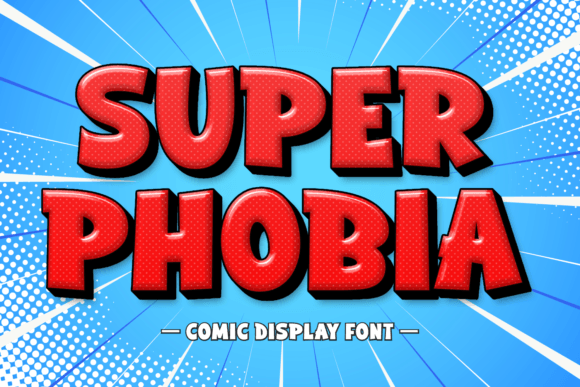
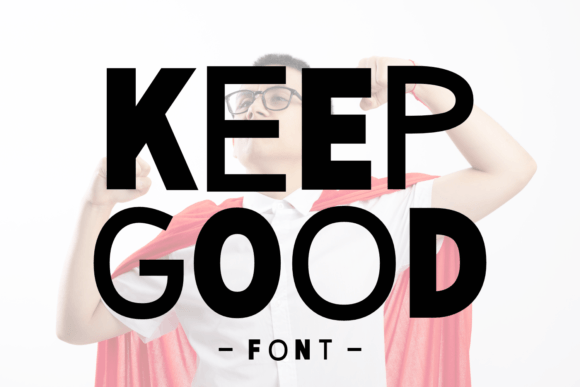
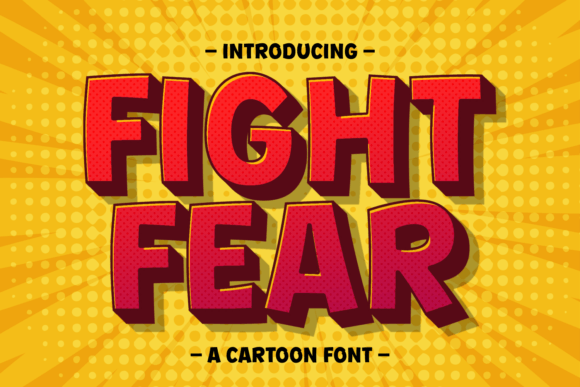
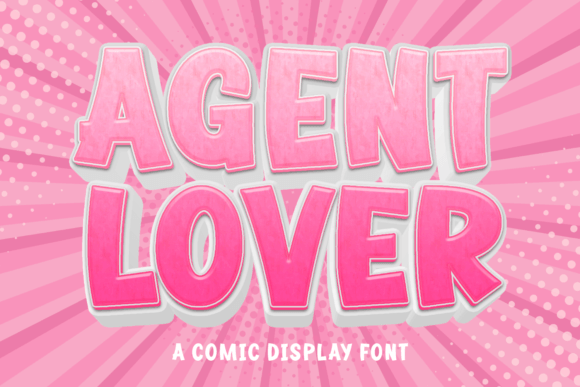
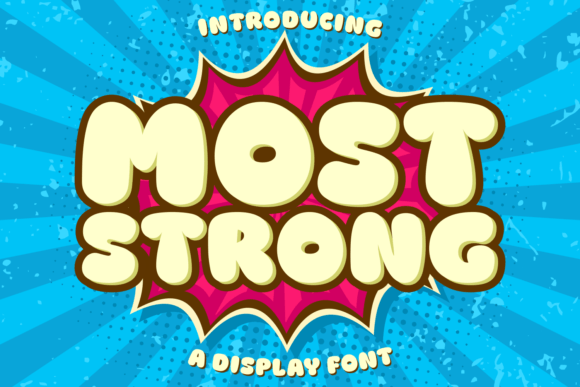
Most Strong is not merely a font; it is a statement. Designed as a heavy-weight display typeface, it features thick strokes, tight kerning, and a substantial presence on the page. Unlike standard body fonts designed for long-form readability, Most Strong is engineered for impact. Its geometry is robust, with rounded edges that soften the aggression slightly while maintaining an authoritative stance. This makes it an ideal choice for headlines, logos, and short bursts of text where immediate recognition is paramount.
The primary goal when selecting a display font like Most Strong is to establish a mood instantly. It communicates confidence, energy, and modernity. When audiences encounter this typeface, they subconsciously register a sense of importance and urgency. For businesses targeting a youthful and energetic audience, this psychological trigger is invaluable. It aligns perfectly with the fast-paced, visually driven culture of social media and contemporary retail environments.
Addressing Common Design Challenges
Many designers and marketing professionals face specific hurdles when trying to create compelling visuals. One common challenge is the "wall of text" effect, where important information gets lost in paragraphs of generic sans-serif fonts. Another frequent issue is the lack of visual hierarchy in promotional materials, causing the viewer's eye to wander without landing on the key message.
Furthermore, brands often struggle to connect with younger demographics who have developed a sophisticated visual literacy. Standard corporate fonts can feel stale or disconnected from current trends. These audiences crave authenticity and boldness. If a design feels too safe, it risks being ignored. Most Strong addresses these pain points directly by providing a tool that forces a break in the pattern. It creates an immediate focal point, ensuring that the most critical information is seen first.
Strategic Applications for Events and Promotions
The versatility of Most Strong shines brightest in high-stakes communication scenarios. Consider the context of event posters, flyers, and advertisements. In these formats, you often have seconds to capture interest before a potential attendee moves on.
- Event Posters: When designing for music festivals, sports tournaments, or tech conferences, the headline needs to scream excitement. Using Most Strong for the event name or date ensures legibility even from a distance. Its weight allows it to stand out against busy backgrounds, such as concert photography or abstract geometric patterns.
- Promotional Flyers: For sales and limited-time offers, urgency is key. A flyer utilizing Most Strong for phrases like "50% OFF" or "TODAY ONLY" commands attention. The sheer mass of the letters conveys that the offer is significant and cannot be missed.
- Digital Advertisements: In the realm of social media ads, users scroll rapidly. A banner ad featuring Most Strong stops the scroll. The font's bold nature translates well to mobile screens, maintaining clarity even at smaller sizes when used sparingly.
Product Packaging for a Youthful Audience
Product packaging is a silent salesman, and for brands targeting Gen Z and Millennials, the aesthetic must resonate with their values and tastes. These consumers often prefer brands that appear dynamic, unapologetic, and fun. Most Strong is exceptionally well-suited for this application.
When applied to product labels, the font can turn a simple box into a collectible item. Imagine a line of energy drinks, streetwear apparel, or artisanal snacks. By using Most Strong for the brand name, the packaging immediately signals a departure from traditional, conservative branding. It suggests that the product inside is bold, perhaps even rebellious.
To maximize effectiveness, consider pairing the font with vibrant color palettes. Neon greens, electric blues, and stark blacks complement the heavy strokes of the typeface. Additionally, the font works well with texture overlays, such as halftone patterns or distressed effects, which add depth and character to the physical package.
Practical Implementation Strategies
While Most Strong is powerful, it requires thoughtful implementation to avoid overwhelming the viewer. Here are practical recommendations for integrating this typeface into your workflow:
- Limit Usage: Because of its weight, Most Strong should be reserved for headlines and short phrases. Avoid using it for body copy, as the tight spacing and thick lines will reduce readability over long passages.
- Pair with Contrast: To create balance, pair Most Strong with a clean, light-weight sans-serif or a neutral serif font for supporting text. This contrast highlights the boldness of the display font while ensuring the rest of the content remains accessible.
- Play with Spacing: While the font has natural tight kerning, increasing the letter-spacing (tracking) slightly can sometimes make large headlines feel more breathable and modern. Experiment with different spacing settings to find the sweet spot for your specific layout.
- Consider Color Hierarchy: Use color to reinforce the hierarchy established by the font. Make the text in Most Strong the most saturated element on the page, drawing the eye naturally to the main message.
Tailoring Approaches for Different Users
Different users may approach the integration of Most Strong based on their specific industry needs. A graphic designer working in the fashion industry might use the font to create edgy, avant-garde looks, focusing on negative space and asymmetry. In contrast, a marketing manager for a local gym might prioritize clarity and motivation, using the font for motivational quotes and class schedules to inspire action.
For small business owners without extensive design experience, the simplicity of Most Strong is a major advantage. It requires less manipulation to look professional compared to thinner, more delicate fonts that demand precise alignment. By choosing a font that does the heavy lifting visually, non-designers can still produce high-quality materials that compete with larger agencies.
Ultimately, the decision to use Most Strong is about aligning your visual identity with your goals. If your objective is to project strength, energy, and modernity, this typeface provides a reliable foundation. It solves the problem of invisibility in a saturated market, offering a direct path to capturing the attention of your target audience. Whether you are printing thousands of flyers or designing a single product label, the strategic application of this bold display font can yield significant returns in engagement and brand recall.