Super Phobia: A Bold Comic Display Font
Typography is often the silent ambassador of a brand, whispering its personality before a single word is read. In a digital landscape saturated with sleek sans-serifs and traditional serifs, Super Phobia stands out as a vibrant exception. It is not merely a typeface; it is an attitude. As a comic display font, Super Phobia captures the kinetic energy of classic storytelling while offering modern versatility for brands seeking to project fun, adventure, and boldness. Whether you are designing a logo for a new toy line or creating eye-catching headers for a blog about pop culture, this font brings an immediate sense of excitement that standard fonts simply cannot match.
What Makes Super Phobia Unique?
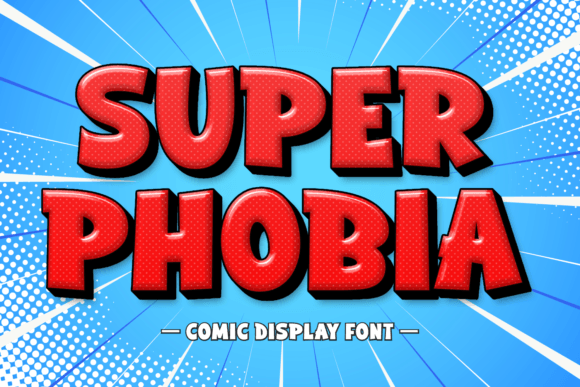
At its core, Super Phobia is designed to mimic the hand-drawn aesthetic of comic book lettering, but with the consistency required for professional design work. The characters feature exaggerated curves, dynamic slants, and a playful irregularity that suggests movement. Unlike rigid geometric fonts, Super Phobia feels alive on the page. Its thick strokes and open counters ensure readability even at smaller sizes, though it truly shines when used in large headlines or display settings.
The "phobia" in the name might suggest fear, but in the context of design, it represents a fearless approach to visual communication. It challenges the notion that serious businesses must use serious, conservative fonts. Instead, it invites designers to embrace whimsy without sacrificing legibility. This makes it an ideal choice for the entertainment industry, where capturing attention in seconds is crucial, and for the toy sector, where the product promise is inherently tied to play and imagination.
The Beginner's Perspective: Ease and Impact
For those just starting their journey in graphic design or content creation, choosing the right font can feel overwhelming. Beginners often struggle with pairing typefaces or understanding hierarchy. Super Phobia simplifies this process because its character is so distinct that it rarely needs complex pairing. A beginner designer can apply Super Phobia to a headline and instantly achieve a polished, thematic look that would otherwise require hours of custom illustration.
If you are a hobbyist creating invitations for a superhero-themed birthday party or a student working on a presentation about comic history, Super Phobia offers immediate gratification. You do not need advanced skills in kerning or tracking to make it work; the font's internal rhythm handles much of the heavy lifting. For the novice, the priority is often speed and visual impact, and this font delivers both. It serves as a powerful tool to learn how typography influences mood, providing a clear example of how style dictates message.
Professionals and Marketers: Strategic Branding
For experienced professionals, marketers, and entrepreneurs, the decision to use Super Phobia is more strategic. These users evaluate fonts based on commercial value, brand alignment, and audience psychology. A marketing director looking to launch a new action figure line understands that the packaging needs to scream "adventure." Using a generic font dilutes the product's identity, whereas Super Phobia reinforces the narrative of heroism and excitement.
Professionals also consider flexibility and reliability. Can this font be used across various mediums? Does it hold up in print as well as on social media? Super Phobia's robust structure ensures it remains legible on everything from billboards to mobile app icons. For a brand manager, the ability to maintain a consistent visual voice across different platforms is paramount. This font allows for a cohesive campaign where the typography itself becomes a recognizable asset, contributing to long-term brand recognition.
Moreover, in the competitive world of e-commerce, standing out is essential. An entrepreneur selling board games or educational toys knows that the first interaction a customer has with their product is often through a thumbnail image. Super Phobia cuts through the noise of minimalist designs, drawing the eye and communicating the product's nature instantly. It signals that the brand is approachable, energetic, and ready to engage.
Educators and Content Creators: Engagement Tools
Educators and bloggers face a unique challenge: keeping their audience engaged while delivering information. For teachers creating classroom materials or blog writers covering topics like gaming, movies, or children's literature, Super Phobia acts as an engagement hook. It breaks the monotony of standard text and creates a visual break that re-energizes the reader.
An educator might use Super Phobia for section headers in a lesson plan about creativity, signaling to students that this part of the class will be interactive and fun. Similarly, a content creator writing about the evolution of animation can use the font to pull readers into specific anecdotes. The priority here is learning value and retention. By varying the typographic texture, these creators make their content more digestible and memorable. It transforms a static document into an experience, aligning the visual form with the educational or entertaining intent.
Consumers and Hobbyists: The Emotional Connection
While designers choose the font, consumers react to it. For the average shopper or hobbyist, typography triggers an emotional response. When a consumer sees Super Phobia on a product label, they subconsciously associate the item with nostalgia, playfulness, and high energy. This is particularly relevant for collectors of comics, vintage toys, or memorabilia.
A hobbyist browsing for craft supplies or DIY project ideas might be drawn to a tutorial or kit specifically because of its bold, comic-style branding. They perceive the font as a signal of quality and thematic dedication. If a business owner uses this font effectively, it reassures the consumer that the product understands its audience. It builds trust by speaking the visual language of the community. For the consumer, the font is not just decoration; it is a promise of the experience they are about to have.
Determining if Super Phobia Fits Your Project
Despite its many strengths, Super Phobia is not a universal solution. It is a display font, meaning it is best suited for short bursts of text rather than long paragraphs. Before integrating it into your workflow, consider your specific goals. Are you trying to convey authority and seriousness? If so, a serif or clean sans-serif might be more appropriate. However, if your goal is to evoke joy, excitement, or a sense of wonder, Super Phobia is likely the perfect fit.
Think about your audience's expectations. A law firm or a financial consultancy would likely find this font too informal, potentially undermining their credibility. Conversely, a startup focused on family entertainment, a YouTube channel dedicated to movie reviews, or a small business selling handmade plushies will find it invaluable. The key is alignment between the font's personality and your brand's mission.
Consider also the technical requirements of your project. If you need extensive ligatures, small caps, or multiple weights for body copy, you may need to pair Super Phobia with a complementary neutral font. However, for logos, posters, banners, and social media graphics, its standalone power is significant. By evaluating your priorities—whether they are ease of use, creative expression, or commercial appeal—you can determine if Super Phobia is the right partner for your next design endeavor.
In the end, typography is about connection. Super Phobia connects brands with audiences who crave adventure and fun. It bridges the gap between professional design and the playful spirit of childhood. Whether you are a seasoned designer crafting a global campaign or a beginner making your first flyer, this font offers a reliable way to inject personality into your work. It reminds us that design doesn't always have to be serious to be effective; sometimes, it just needs to be bold.