Brandes and Brandes: The Timeless Serif Font Redefining Modern Elegance
In the vast landscape of digital typography, where trends shift with the speed of social media algorithms, there remains a distinct category of typefaces that defy the passage of time. These are the fonts that carry the weight of history while embracing the clarity of the modern era. Brandes and Brandes stands as a premier example of this enduring legacy. It is a timeless serif font that combines classic elegance with modern sophistication, offering designers a tool that is as functional in a high-tech startup logo as it is in a century-old literary journal. For general readers, creatives, and business owners alike, understanding the nuances of such a typeface provides insight into how visual communication shapes our perception of quality and trust.
The Anatomy of a Classic: What Makes Brandes Unique?
To truly appreciate Brandes, one must first understand what defines a serif font. Unlike sans-serif typefaces, which lack the small projecting features at the ends of strokes, serifs possess these delicate "feet" or lines. Historically, these were born from the chisel marks of stone carvers and the brush strokes of scribes. Today, they signal authority, tradition, and readability. However, not all serifs are created equal. Some feel archaic and difficult to read on screens, while others feel too decorative for serious use.
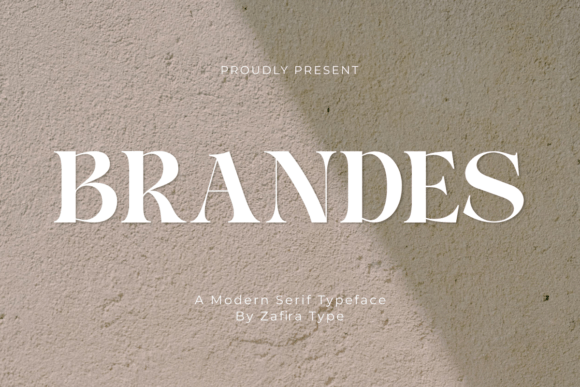
Brandes occupies the sweet spot between these extremes. It retains the structural integrity of traditional old-style serifs but refines the proportions for contemporary viewing environments. The characters are designed with high contrast between thick and thin lines, creating a sense of rhythm and flow that guides the eye effortlessly across a page. This balance is crucial because it allows the font to project an image of sophistication without sacrificing legibility. When you see a headline set in Brandes, it immediately commands attention, suggesting that the content within is curated, important, and well-crafted.
Versatility Through Weight and Character Quality
A common misconception among beginners in design is that a single font file is sufficient for all projects. In reality, a robust typeface family like Brandes offers multiple weights—ranging from light and airy to bold and impactful. This versatility is its superpower. Imagine a brand identity system: you might need a delicate, thin weight for luxury packaging text, a medium weight for body copy in a magazine, and a heavy, bold weight for a commanding website header. Brandes delivers all of these variations with consistent character quality.
The "high-quality characters" mentioned in its description refer to more than just sharp edges. They encompass the intricate details of letter spacing (kerning), the shape of the counters (the enclosed spaces inside letters like 'o' or 'e'), and the optical sizing adjustments made for different point sizes. For instance, a small caption needs slightly wider spacing and thicker strokes to remain readable, whereas a large poster title can afford finer details. Brandes is engineered to handle these transitions seamlessly, ensuring that the aesthetic remains intact regardless of the scale of application.
Practical Applications: Where Brandes Shines
The true test of any typeface lies in its practical relevance. How does it fit into the real world of work, business, and creativity? Brandes is particularly ideal for three primary sectors: branding, editorial design, and print media.
- Branding and Identity: In a crowded marketplace, a company's name is its most valuable asset. Using a font like Brandes for a logo instantly communicates stability and heritage. Whether it is a law firm, a boutique hotel, or a financial consultancy, the refined beauty of the font suggests that the organization values precision and excellence. It builds an immediate psychological bridge of trust with the consumer.
- Editorial Design: Magazines, newspapers, and long-form articles rely heavily on readability. The human eye follows the horizontal lines of text more easily when guided by serifs. Brandes excels here, reducing eye strain during extended reading sessions. Its classic structure makes it perfect for feature stories, biographies, and cultural commentary where the tone is serious yet engaging.
- Print Media: While digital media dominates, the tactile experience of print remains unmatched for luxury goods and invitations. The ink absorption and texture interaction with paper are optimized in Brandes. A wedding invitation printed with this font feels exclusive, and a high-end brochure gains a layer of prestige simply through its typography.
Bridging Borders: The Power of Multilingual Support
In our increasingly globalized world, language barriers are no longer just about translation; they are about visual consistency. Many beautiful typefaces fail when taken outside their original linguistic context, often lacking the necessary glyphs for other languages. This is where Brandes distinguishes itself significantly. With comprehensive multilingual support, it is perfect for global projects.
Consider a multinational corporation launching a campaign simultaneously in Berlin, Tokyo, and Mexico City. If the chosen font cannot render the specific accented characters of German, the kanji or kana equivalents, or the diacritics of Spanish, the brand message becomes fragmented and unprofessional. Brandes solves this by including a vast array of characters from various writing systems. This ensures that the "refined beauty" of the design is preserved across all markets. It allows businesses to maintain a unified visual identity, reinforcing the idea that the brand is truly international and inclusive.
Dispelling Common Myths About Serif Fonts
Despite its advantages, there are lingering assumptions about serif fonts that can hold designers back. One common myth is that serifs are "old-fashioned" and unsuitable for modern technology. This is a fundamental misunderstanding of typography evolution. While some serifs are indeed dated, modern interpretations like Brandes have been optimized for high-resolution screens, mobile devices, and responsive web layouts. They do not pixelate or blur; instead, they add a layer of warmth and personality that stark sans-serifs sometimes lack.
Another assumption is that serif fonts are only for formal or academic contexts. On the contrary, the right serif can be incredibly playful, romantic, or avant-garde depending on how it is paired and weighted. By using a lighter weight of Brandes with generous line spacing, a fashion blog can achieve a look that is both trendy and chic. The key lies in understanding that the font is a tool, and its "vibe" is dictated by the designer's intent and execution.
Elevating Your Designs with Refined Beauty
Ultimately, the decision to use a typeface is a decision about the story you want to tell. Typography is the voice of your visual content. When you choose Brandes and Brandes, you are choosing a voice that speaks with confidence, grace, and intelligence. It elevates designs not by shouting for attention, but by commanding respect through its inherent quality.
For the creative professional, integrating Brandes into a workflow means committing to a standard of excellence. It encourages cleaner layouts, better hierarchy, and a more thoughtful approach to composition. For the business owner, it represents an investment in a brand image that will age gracefully, avoiding the trap of fleeting design fads. As we move further into an era of AI-generated content and automated design tools, the human touch of selecting a timeless, character-rich font becomes even more vital.
Whether you are designing a simple business card, a complex annual report, or a global marketing campaign, the principles remain the same: clarity, consistency, and character. Brandes offers all three. By combining the best of the past with the demands of the present, it serves as a testament to the enduring power of good design. In a world full of noise, let your message stand out with the quiet confidence of a font that has mastered the art of elegance.
Conclusion: A Foundation for Future Creativity
As we conclude our exploration of this remarkable typeface, it is clear that Brandes is more than just a collection of letters. It is a versatile instrument for communication that bridges the gap between tradition and innovation. Its ability to support multiple languages, its range of weights, and its unwavering commitment to quality make it an essential resource for anyone looking to elevate their visual output. By understanding the depth and utility of Brandes, readers and creators alike can make more informed decisions, ensuring their work resonates with audiences worldwide. In the end, the right font doesn't just display words; it gives them life.