Amastay: A Practical Evaluation of Natural Ink Calligraphy for Modern Design
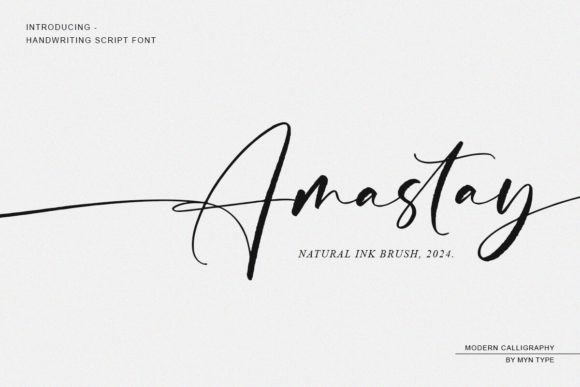
In the landscape of digital typography, the quest for authenticity often leads designers and content creators to fonts that mimic the imperfections of human hand. Amastay represents a specific niche within this category, offering a natural ink handwriting cursive calligraphy style characterized by a distinct swash tail. Unlike geometric sans-serifs or rigid serifs, Amastay is engineered to combine the organic, textured feel of real ink with a natural rhythm that closely resembles elegant handwriting. For professionals aged 20 to 50 who are evaluating typefaces for branding, editorial projects, or personal stationery, understanding where Amastay fits in the broader typographic ecosystem is essential. This analysis explores the font's unique attributes, compares it against general categories of script typefaces, and outlines the specific scenarios where its application yields the best results.
The Anatomy of Amastay: Texture, Rhythm, and Swash Mechanics
To evaluate Amastay effectively, one must first dissect its core design elements. The defining characteristic of this typeface is its commitment to simulating the physical properties of ink on paper. In many digital scripts, strokes appear too uniform, lacking the subtle variations in thickness that occur when a nib presses against a surface. Amastay addresses this by incorporating texture into the stroke weight, creating an impression of fluidity and absorption. This "ink feel" prevents the text from looking sterile or overly manufactured, which is a common pitfall in lower-quality script fonts.
Beyond texture, the rhythm of the letterforms plays a critical role in readability and aesthetic appeal. Amastay utilizes a natural flow where the connection between letters varies slightly, mimicking the speed and pressure changes of a human hand. This irregularity is intentional; it breaks the monotony of perfect alignment while maintaining legibility. However, the most distinctive feature remains the swash tail. These extended flourishes on specific characters add a dramatic flair that can anchor a design or serve as a decorative element. While swashes are common in calligraphy fonts, Amastay's implementation is designed to be integrated seamlessly into continuous text rather than serving solely as isolated display elements.
Texture vs. Smoothness: A Critical Distinction
When comparing Amastay to other options in the market, the primary differentiator is the balance between texture and smoothness. Many modern script fonts prioritize clean lines and vector perfection, resulting in a sleek but sometimes cold appearance. Amastay leans heavily into the textured side of the spectrum. For a project requiring a vintage, artisanal, or deeply personal touch, this texture adds significant value. Conversely, if the goal is high-contrast modern minimalism, the inherent roughness of Amastay might introduce visual noise that detracts from the overall clarity. Understanding this tradeoff is vital before committing to the font for a large-scale project.
Comparative Analysis: Where Amastay Fits Among Script Alternatives
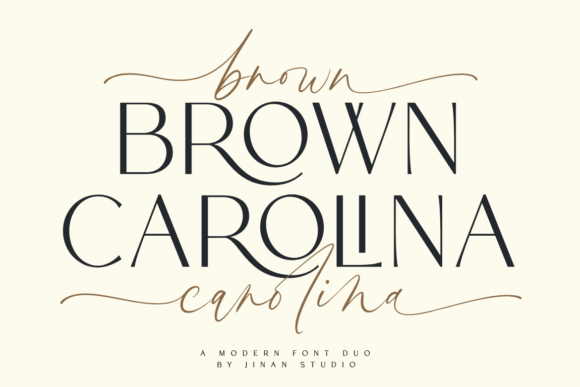
Selecting a typeface often involves weighing specific characteristics against the needs of a project. When placed alongside other cursive and calligraphy options, Amastay occupies a middle ground between casual handwriting and formal calligraphy. It is less rigid than traditional Blackletter or Copperplate styles, which demand strict adherence to historical rules, yet it is more structured than chaotic, marker-style brush fonts.
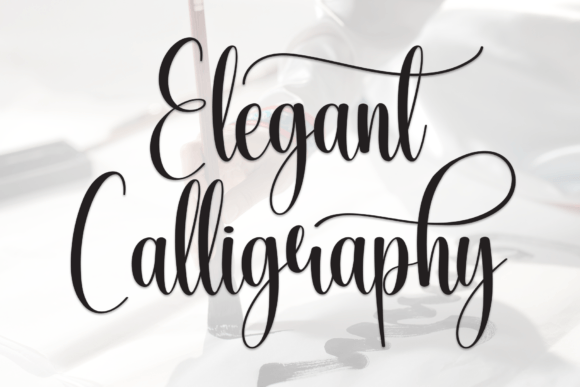
- Formal Calligraphy Fonts: Traditional calligraphy typefaces often feature extreme contrast between thick and thin lines. They are excellent for wedding invitations or luxury branding but can suffer from legibility issues at smaller sizes. Amastay offers a softer contrast, making it more versatile for body copy in short paragraphs while retaining an elegant feel.
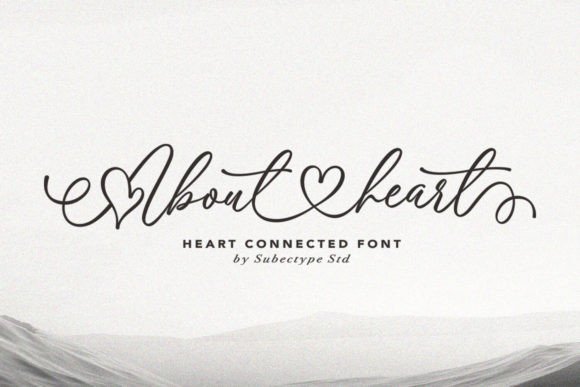
- Casual Handwriting Fonts: Casual scripts often look like they were written quickly with a ballpoint pen. They convey friendliness but lack the sophistication required for premium brands. Amastay elevates the casual aspect by introducing the swash tail and ink texture, bridging the gap between approachable and refined.
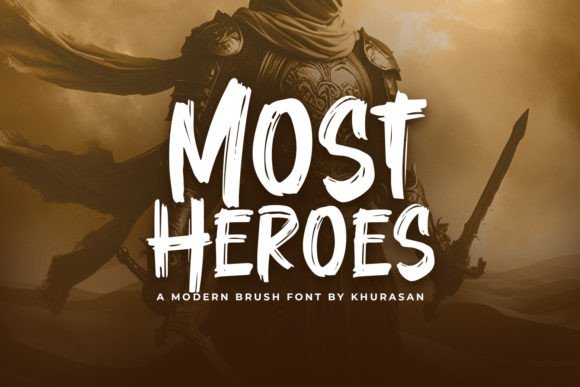
- Brush Script Fonts: Brush fonts simulate the look of paint or broad markers. They are energetic and bold but can become overwhelming if used extensively. Amastay provides a similar organic vibe but with a finer point, allowing for more delicate applications without sacrificing the sense of movement.
It is also important to consider the availability of character sets. While Amastay excels in its primary language support and stylistic alternates, users should verify if the specific version includes the necessary ligatures or special characters for their target audience. Some alternatives offer extensive OpenType features that allow for automatic swash insertion, whereas others require manual selection. Amastay generally provides a robust set of alternates, giving the designer control over how prominent the swash tails appear in the final layout.
Strengths and Tradeoffs: Evaluating Practical Application
No single typeface is a universal solution. Amastay brings specific strengths to the table, but these come with inherent tradeoffs that must be managed during the design process. One of the primary strengths is its ability to evoke emotion. The organic nature of the font suggests craftsmanship, care, and humanity. This makes it particularly effective for industries such as wellness, artisanal food and beverage, boutique fashion, and creative services. In these contexts, the font acts as a visual shorthand for quality and attention to detail.
However, the very features that make Amastay appealing can also be limiting. The textured edges and swash tails mean that the font may not scale down as well as cleaner, smoother typefaces. At very small sizes (below 10pt), the texture can blur, and the swashes may interfere with line spacing, causing collisions between ascenders and descenders. Therefore, Amastay is best utilized in headlines, pull quotes, logos, and short accent phrases rather than long-form body text. Attempting to use it for dense paragraphs can lead to reader fatigue due to the visual complexity.
Another consideration is the pairing potential. Because Amastay is so expressive, it requires a neutral partner to maintain balance. Pairing it with another decorative font will likely result in visual chaos. Instead, it works best when juxtaposed with a simple, geometric sans-serif or a classic serif. This combination allows the elegance of Amastay to shine without competing for attention. Designers must be willing to exercise restraint, using the font sparingly to maximize its impact.
Legibility and Accessibility Factors
Accessibility is a crucial factor in modern design decisions. The intricate details of Amastay, including the varying stroke widths and swash extensions, can pose challenges for readers with visual impairments or dyslexia. While the font is readable in standard conditions, it is not ideal for environments where accessibility compliance is paramount, such as government websites or public signage. In these cases, a more utilitarian typeface with consistent stroke width and open counters would be a safer choice. If Amastay is used in such contexts, it should be reserved strictly for decorative headers, ensuring that all functional information is conveyed in a highly accessible font.
Determining the Right Fit: Decision Factors for Your Project
Deciding whether Amastay is the right choice depends largely on the specific goals of your project and the message you intend to convey. If your objective is to communicate tradition, elegance, and a personal touch, Amastay is a strong contender. Its natural rhythm and ink-like texture resonate well with audiences seeking authenticity. For example, a handmade soap brand looking to emphasize its organic ingredients would benefit significantly from the font's earthy, tactile appearance.
Conversely, if your project requires a futuristic, corporate, or highly technical tone, Amastay is likely the wrong fit. The organic curves and swash tails clash with the precision and rigidity associated with technology and finance sectors. In these scenarios, a clean sans-serif or a modern grotesque typeface would align better with industry expectations. Similarly, if the project demands high-speed readability across various devices and screen resolutions, the detailed textures of Amastay might compromise performance and clarity.
Furthermore, consider the longevity of the design. Trends in typography shift, and while the fundamental appeal of handwritten styles remains, specific executions can date quickly. Amastay's focus on a timeless calligraphic structure suggests it has staying power, but the specific texture effects should be evaluated against current design trends. Does the level of texture feel current, or does it risk looking dated in five years? Testing the font in mockups across different media—print, web, and mobile—is essential to gauge its versatility and endurance.
Strategic Implementation and Final Considerations
Ultimately, the value of Amastay lies in its ability to infuse digital designs with a sense of human presence. It is a tool for adding warmth and character, not just a vehicle for transmitting information. When used correctly, it can elevate a brand identity from generic to memorable. However, this requires a thoughtful approach to hierarchy, spacing, and pairing. Designers must be prepared to adjust kerning and leading manually to accommodate the swash tails and ensure a harmonious layout.
For those exploring alternatives, the decision process should involve testing Amastay alongside two or three other fonts in the same category. Look at how each handles capitalization, punctuation, and lowercase transitions. Observe which font maintains its integrity at different scales. By conducting these practical comparisons, you can determine if the unique blend of organic texture and elegant rhythm found in Amastay aligns with your specific vision. Whether you choose to proceed with Amastay or select a different option, the key is to prioritize the user experience and the clarity of the message above all else.