Sweet Escape: A Strategic Typography Choice for Planners and Creators
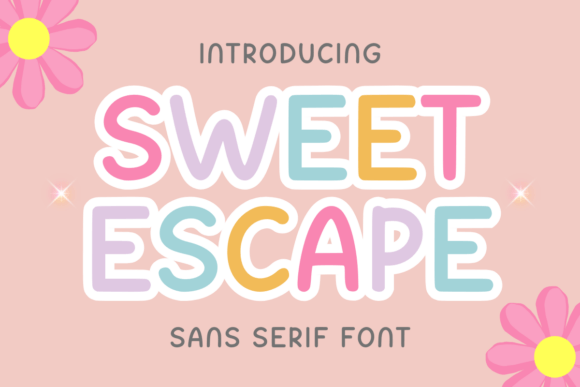
In the crowded marketplace of digital assets and print-on-demand products, typography is often treated as a secondary aesthetic choice. However, for entrepreneurs, educators, and KDP creators, font selection is a primary driver of user engagement and brand positioning. Sweet Escape, a playful handwritten sans-serif font, represents more than just a visual style; it is a strategic tool designed to inject personality into functional documents. When used with intention, this typeface transforms mundane tasks into delightful experiences, directly impacting how users interact with planners, journals, and educational materials.
The decision to integrate Sweet Escape into a project should be grounded in an understanding of its psychological impact. Unlike rigid, geometric sans-serifs that convey corporate authority, Sweet Escape mimics the organic flow of human handwriting. This characteristic fosters a sense of approachability and warmth. For a planner or workbook, this shift in tone can reduce the perceived friction of daily organization, making the act of planning feel less like a chore and more like a creative endeavor. The font’s whimsical nature serves as a subtle cue to the user that their personal time is valued and that the process of organizing their life can be enjoyable.
Aligning Typography with User Experience Goals
Strategic design requires aligning visual elements with specific outcomes. If your goal is to create a high-converting product on Amazon KDP or a premium printable on Etsy, the user experience (UX) must be considered from the first page. Sweet Escape excels in environments where emotional connection is as important as information retention. For teachers creating lesson plans or organizers designing workbooks, the font acts as a bridge between instruction and inspiration.
Consider the context of a daily to-do list. Standard fonts can make a long list appear daunting and sterile. By contrast, utilizing Sweet Escape for headers, motivational quotes, or section dividers introduces a rhythm that breaks up the monotony. This is not merely decorative; it is functional psychology. A dynamic design encourages continued use. When a user opens a journal that feels inviting rather than clinical, they are more likely to engage with it consistently. Therefore, the strategic value of Sweet Escape lies in its ability to sustain user habits through positive reinforcement via design.
Enhancing Brand Identity for Small Businesses
For small business owners and freelancers, consistency in branding is non-negotiable. Sweet Escape offers a distinct voice that can differentiate a brand in saturated markets like greeting cards, invitations, and scrapbooking supplies. In these sectors, customers are purchasing an emotion as much as a product. A wedding invitation or a birthday card featuring a generic font fails to capture the unique spirit of the occasion. Sweet Escape, with its handcrafted touch, signals care and attention to detail.
When building a brand around creativity, education, or lifestyle, the typography must reflect those values. Using Sweet Escape in marketing materials, social media graphics, or packaging reinforces a narrative of fun, accessibility, and authenticity. It tells the customer that the brand understands the human element of their needs. This alignment strengthens customer loyalty and positions the business as one that prioritizes joy and personalization over mass-produced uniformity.
Practical Applications in Education and Organization
The utility of Sweet Escape extends deeply into the realms of education and professional organization. Teachers and curriculum developers frequently struggle to maintain student engagement with written materials. Worksheets and activity sheets that rely solely on standard serif or sans-serif fonts can feel impersonal. Integrating Sweet Escape into titles, instructions, or reward charts adds a layer of playfulness that resonates with younger audiences while remaining legible enough for practical use.
Similarly, for professionals managing complex schedules, the rigidity of traditional calendars can contribute to burnout. Sweet Escape allows for the creation of "humanized" productivity tools. Whether it is a monthly calendar, a habit tracker, or a brainstorming template, the font softens the edges of high-pressure tasks. It reminds the user that productivity does not have to come at the cost of well-being. By transforming ordinary projects into delightful adventures, the font supports a healthier relationship with work and planning.
- Educational Materials: Use for headers in workbooks, flashcards, and classroom posters to increase engagement.
- Personal Planning: Apply to diary covers, weekly spreads, and gratitude journals to foster a positive mindset.
- Event Design: Ideal for invitations and save-the-dates where a personal, warm tone is required.
- Product Packaging: Enhance labels and tags for handmade goods to communicate artisan quality.
Decision-Making Frameworks for Font Selection
While Sweet Escape offers significant advantages, it is not a universal solution. Strategic implementation requires careful consideration of context. Before committing to this typeface for a major project, creators must evaluate the hierarchy of information and the intended audience. A font that works beautifully for a children's activity book may undermine the seriousness of a legal contract or a financial report.
The key to effective usage lies in balance. Sweet Escape should generally be reserved for display purposes—titles, headings, pull quotes, and decorative elements. Body text, which requires high readability over long periods, is better served by clean, neutral sans-serif or serif fonts. Attempting to write paragraphs in a handwritten style can lead to eye strain and reduced comprehension, ultimately defeating the purpose of the document. The most successful designs use Sweet Escape to guide the eye and set the mood, while relying on more utilitarian fonts for the heavy lifting of content delivery.
Risks of Contextual Misalignment
One of the primary risks in using playful typography like Sweet Escape is the potential for misinterpretation. If a brand aims to project authority, stability, or technical expertise, an overly whimsical font can dilute that message. For example, a medical practice or a law firm might find that a handwritten style undermines their professional credibility. Even within creative industries, there are moments when clarity must supersede charm.
Furthermore, overuse can lead to visual fatigue. If every element of a design—from the logo to the footer notes—is rendered in Sweet Escape, the design loses its focal points. The "whimsical" quality becomes noise rather than signal. To avoid this, creators should establish clear guidelines for when and where the font appears. Treat it as an accent color in a palette; it should pop against a neutral background, not overwhelm the entire canvas.
Maximizing Long-Term Value Through Intentional Design
The long-term success of any creative project depends on its ability to remain relevant and effective over time. Sweet Escape contributes to longevity by tapping into timeless human desires for connection and creativity. Trends in graphic design shift rapidly, but the appeal of genuine, handcrafted aesthetics remains steady. By anchoring a brand or product line in this authentic style, creators build a foundation that withstands fleeting fads.
For KDP creators and publishers, this means investing in templates that prioritize user satisfaction. A planner that looks good today but feels cold tomorrow will see low repeat purchases. Conversely, a planner that uses Sweet Escape to create a consistent, joyful atmosphere encourages users to return year after year. This recurring engagement drives sales, improves reviews, and builds a loyal customer base. The font becomes part of the product's identity, synonymous with a positive organizational experience.
Ultimately, the strategic use of Sweet Escape is about making better decisions regarding how we present information and how we invite others to interact with our work. It is a choice to prioritize the human element in digital and physical spaces. By understanding its strengths, limitations, and optimal applications, entrepreneurs and creators can leverage this playful handwritten sans-serif to achieve tangible results. Whether you are designing a simple memo or a comprehensive workbook system, let Sweet Escape add a spark of joy that turns everyday tasks into meaningful, memorable interactions.