Music Dust: A Refined Grunge Font for Modern Design
In the crowded landscape of digital typography, finding a typeface that balances raw texture with sophisticated minimalism is a rare feat. Most grunge fonts lean heavily into chaos, sacrificing readability for visual noise. Music Dust breaks this mold by offering an exquisitely honed aesthetic that feels both tranquil and rugged. It is not merely a font; it is a design tool that resonates with the quiet confidence of a soothing melody, delivering strokes shaped with unparalleled precision. For creators seeking to inject character without compromising clarity, Music Dust stands out as a versatile solution.
The Intersection of Minimalism and Texture
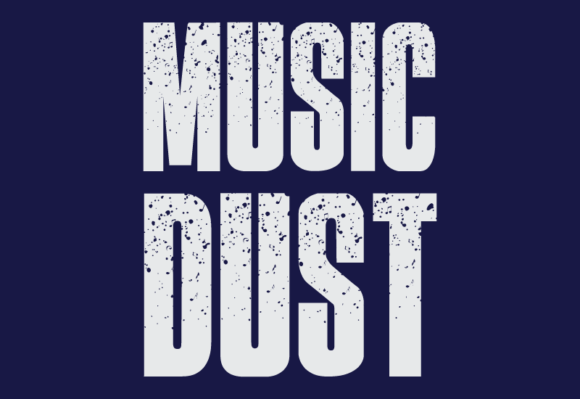
At its core, Music Dust represents a shift in how we perceive distressed typography. Traditional grunge styles often rely on heavy ink splatters, jagged edges, and aggressive irregularities that can overwhelm a layout. In contrast, Music Dust adopts a philosophy of refined elegance. The "grunge" elements here are subtle, acting more like a whisper than a shout. This approach allows the font to maintain a clean, minimalist silhouette while introducing just enough organic imperfection to feel human and authentic.
The defining feature of this typeface lies in its unique detailing. Scattered throughout the characters are small, stylized music note effects that serve as grunge accents. These are not random decorations; they are integrated thoughtfully into the letterforms to enhance the overall beauty of the project. Whether used for a headline or a signature logo, these musical flourishes add a layer of narrative depth, suggesting rhythm and harmony even within static text. This makes Music Dust particularly effective for projects where the concept of sound, creativity, or flow is central to the brand identity.
Creative Applications Across Industries
The versatility of Music Dust extends far beyond its name. While the musical motifs might suggest immediate use cases for bands or audio engineers, the underlying structure supports a wide array of creative directions. Designers can adapt this font to suit various industries, from fashion to education, by adjusting weight, spacing, and context.
- Musical Artists and Venues: For album covers, tour posters, and festival branding, Music Dust offers an instant connection to the arts. The subtle notes reinforce the theme without looking cliché, allowing the artist's name or song title to stand out with a textured, vintage feel.
- Fashion and Lifestyle Brands: The minimalist elegance of the font pairs exceptionally well with streetwear labels or boutique clothing lines. It conveys a sense of effortless cool, perfect for tags, packaging, or social media graphics that aim for a modern, slightly edgy aesthetic.
- Educational and Creative Workshops: Educators and workshop leaders can use Music Dust to create engaging materials for music theory classes, art retreats, or creative writing seminars. The font's approachable nature makes complex topics feel inviting and less rigid.
- Publishing and Blogging: Writers and publishers looking to break away from standard serif and sans-serif headers will find Music Dust to be a compelling alternative. It adds personality to blog posts, magazine spreads, and book covers, drawing the reader in with its unique texture.
Adapting the Style for Different Audiences
One of the most valuable aspects of Music Dust is its ability to adapt to different audience expectations. When targeting a younger, trend-conscious demographic, designers can push the grunge effects further, perhaps pairing the font with bold, high-contrast colors to amplify the rebellious undertones. Conversely, when addressing a more corporate or mature audience, the font's inherent precision allows it to function effectively in cleaner, monochromatic layouts. By stripping away excessive background clutter, the subtle music note details become the focal point, signaling sophistication rather than disorder.
For freelancers and small business owners, this adaptability is crucial. You do not need multiple font licenses to cover different campaigns. With Music Dust, you can maintain a consistent brand voice while shifting the visual tone to match specific marketing goals. Whether you are launching a new product line or promoting a community event, the font provides a stable foundation that supports both playful experimentation and serious messaging.
Practical Implementation Strategies
To get the most out of Music Dust, it is essential to understand how to integrate it into your workflow without overwhelming the viewer. The key lies in balance. Because the font already contains intricate details, it should generally be reserved for headlines, subheads, and short phrases. Using it for large blocks of body text can reduce legibility and dilute the impact of those delicate grunge effects.
- Leverage Negative Space: Allow ample breathing room around the text. The intricate details of Music Dust need space to be appreciated. Crowding the letters can make the design feel messy rather than artistic.
- Pair with Clean Sans-Serifs: To maintain the minimalist elegance, pair Music Dust with a simple, geometric sans-serif for body copy. This contrast ensures that the grunge elements pop without competing with the main content.
- Experiment with Color: While black and white works beautifully to highlight the texture, muted earth tones or soft pastels can enhance the "soothing" quality of the font. Avoid neon or overly saturated backgrounds that might clash with the refined strokes.
- Scale Appropriately: The music note effects are designed to be visible at certain sizes. Test the font at various scales to ensure the details remain crisp and do not turn into blurry artifacts on smaller screens.
Maintaining Consistency and Originality
As you incorporate Music Dust into your portfolio, consistency becomes your ally. Establish a style guide that dictates how the font is used across different platforms. Decide on standard color palettes, sizing hierarchies, and pairing rules. This discipline ensures that your work remains professional and recognizable, even as you explore new creative avenues.
Originality also stems from how you interpret the font. Do not simply apply it as a default setting. Consider the emotional resonance of your project. If you are designing for a meditation app, lean into the tranquility of the font. If you are creating a poster for a rock concert, emphasize the grit. By aligning the font's characteristics with the specific needs of the project, you transform a typeface into a storytelling device.
Ultimately, Music Dust is more than a collection of characters; it is a bridge between the structured world of design and the organic nature of human expression. It invites creators to embrace imperfection while maintaining a commitment to quality. Whether you are a seasoned graphic designer or an entrepreneur building your first brand, this font offers a reliable path to visual distinction. By understanding its nuances and applying it with intention, you can craft designs that are not only seen but felt, leaving a lasting impression on your audience.