Barito Comic: Integrating a Whimsical Typeface into Professional Creative Workflows
In the landscape of digital design, typography often serves as the silent architect of user experience. While many projects demand the rigidity of sans-serif or the authority of serif fonts, there is a distinct and growing niche for typefaces that communicate warmth, approachability, and joy. Barito Comic occupies this space with precision. It is not merely a decorative font; it is a strategic asset for creators aiming to humanize their brand, engage younger demographics, or soften the tone of educational content. For professionals ranging from educators to marketing entrepreneurs, understanding how to integrate Barito Comic into a broader production workflow is essential for maintaining consistency and achieving specific emotional outcomes.
Defining the Role of Barito Comic in Design Strategy
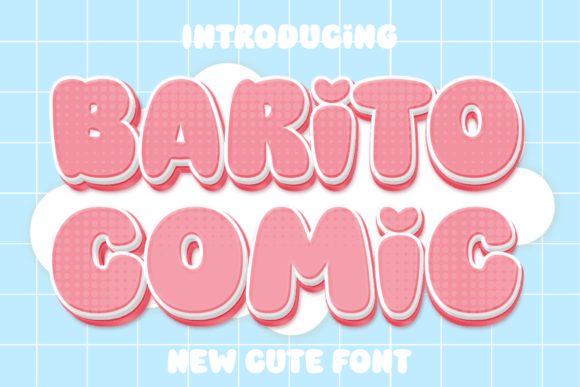
Before downloading any asset, a designer must understand its functional role within the project ecosystem. Barito Comic is characterized by its chubby, whimsical style and bubbly, cheerful design. These visual traits are not accidental; they are engineered to evoke feelings of safety, playfulness, and fun. In a professional context, this makes the typeface ideal for children's books, mobile games, educational materials, and lifestyle branding where an approachable aesthetic is required.
When planning a project, the decision to use Barito Comic should occur during the concept phase, not as an afterthought. If the target audience includes children or if the brand voice aims to be lighthearted and inclusive, this font becomes a primary tool for communication. Its appeal spans both children and adults, making it versatile for family-oriented products. However, its integration requires careful consideration of hierarchy and readability. Because of its playful nature, it functions best as a display font rather than a body text option for long-form reading. Understanding this limitation early in the planning process prevents downstream issues with legibility and layout balance.
Pre-Production: Planning and Asset Selection
The successful implementation of Barito Comic begins before the first pixel is placed. During the pre-production stage, designers and content creators must evaluate the compatibility of the font with other brand assets. A cohesive visual identity relies on the harmony between type, color, and imagery. Since Barito Comic has a rounded, organic feel, it pairs naturally with soft color palettes, hand-drawn illustrations, and rounded UI elements. Conversely, pairing it with sharp, industrial geometric shapes can create visual dissonance unless intentionally used for contrast.
Workflow efficiency at this stage involves creating a style guide that explicitly defines where Barito Comic will appear. Will it be used exclusively for headlines? Is it suitable for call-to-action buttons in a game interface? Establishing these rules ensures that all team members—whether they are graphic designers, copywriters, or developers—are aligned on the font's application. This organizational step reduces revision cycles later in the process. Furthermore, verifying file formats and licensing is crucial. Ensuring that the font files are compatible with the software stack being used, such as Adobe Creative Cloud, Canva, or Figma, prevents technical bottlenecks when moving from mockup to final execution.
Execution: Implementing Barito Comic in Creative Projects
Once the planning phase is complete, the execution phase focuses on practical application. In the context of children's book publishing, Barito Comic serves as the primary vehicle for engaging young readers. The font's bubbly design captures attention immediately, signaling that the content is safe and entertaining. When typesetting a manuscript, the workflow involves adjusting leading (line spacing) and tracking (letter spacing) to accommodate the font's generous proportions. Unlike condensed fonts, Barito Comic requires more vertical and horizontal breathing room to maintain its charm without appearing cluttered.
For game developers and app designers, the integration process is slightly different. Here, the font must remain legible across various screen sizes and resolutions. Testing Barito Comic on mobile devices is a critical quality control step. The rounded edges of the characters can sometimes blur on lower-resolution screens, so ensuring high-quality vector rendering is necessary. In interactive environments, the font can also influence user interaction. Buttons labeled with Barito Comic often feel more inviting to click, potentially increasing engagement rates for non-transactional actions like "Play," "Learn More," or "Start." This psychological cue is a valuable metric for marketers analyzing user behavior.
Educational material creators utilize Barito Comic to reduce cognitive load. Learning new concepts can be stressful for students; a friendly typeface helps lower anxiety levels. When designing worksheets, flashcards, or online course modules, using this font for headers and key terms creates a welcoming atmosphere. The workflow here involves balancing the playful font with a neutral sans-serif for instructional text. This combination ensures that while the mood is light, the information remains clear and digestible. Consistency in this pairing across all course materials reinforces the learning environment's structure.
Optimizing Readability and Visual Hierarchy
A common challenge when working with display fonts like Barito Comic is maintaining visual hierarchy. Because the font is bold and expressive, it naturally draws the eye. To prevent the design from becoming chaotic, it is vital to limit its usage to focal points. A practical rule of thumb is to reserve Barito Comic for titles, subtitles, and short phrases. For paragraphs and dense information, switching to a clean, legible companion font is recommended. This strategy allows the whimsical nature of the typeface to shine without compromising the user's ability to consume information efficiently.
Color selection also plays a significant role in the execution phase. High-contrast pairings work well to ensure accessibility, but the inherent roundness of the font suggests softer transitions. Using gradients or pastel backgrounds behind Barito Comic text can enhance its three-dimensional, chubby appearance. Designers should experiment with drop shadows or outlines sparingly; too much effect can weigh down the lightness of the design. The goal is to let the character of the font speak for itself, supported by a layout that respects its unique geometry.
Post-Production: Quality Control and Long-Term Maintenance
After the creative assets are produced, the focus shifts to quality control and long-term maintenance. This stage involves reviewing the final output across different mediums. Does the font render correctly in print? Is it web-safe for digital distribution? For print projects like children's books, checking the ink coverage is important, as the thick strokes of Barito Comic may require adjustments in pre-press to avoid bleeding. In digital contexts, testing cross-browser compatibility ensures that the font displays consistently for all users, regardless of their device or operating system.
Long-term use of Barito Comic requires a commitment to brand consistency. As a business grows or a series of books expands, the font becomes a recognizable signature. Maintaining a centralized library of approved assets, including the font files and usage guidelines, ensures that future iterations of the brand remain authentic. This organizational practice is particularly useful for freelancers and small agencies managing multiple clients. By documenting how Barito Comic interacts with other brand elements, teams can scale their operations without losing the distinctive voice established in the initial design phase.
Strategic Integration Across Platforms and Teams
Integrating Barito Comic smoothly into a workflow extends beyond the design department. It requires collaboration with copywriters, who must adjust their writing style to match the font's tone. Short, punchy, and enthusiastic copy complements the bubbly design, whereas formal, complex language may clash. Marketers need to consider how the font aligns with the overall campaign narrative. If the goal is to build trust and community, Barito Comic supports that objective effectively. However, for campaigns requiring urgency or seriousness, it may need to be paired with more authoritative elements to balance the message.
Furthermore, the font's versatility allows it to bridge gaps between different platforms. A logo designed with Barito Comic can transition seamlessly from a physical product package to a social media banner. This adaptability saves time and resources during multi-channel marketing efforts. By establishing the font as a core component of the visual identity early on, businesses can streamline their production processes. The result is a cohesive brand presence that feels intentional and polished, resonating deeply with the intended audience while maintaining professional standards.
Ultimately, Barito Comic is more than just a collection of glyphs; it is a strategic tool for shaping perception and engagement. By approaching its use with a structured workflow—from initial planning and asset selection to execution and long-term maintenance—creators can maximize its potential. Whether crafting an educational curriculum, developing a mobile game, or launching a family-friendly brand, the thoughtful integration of this playful typeface can transform a standard project into a delightful experience that connects meaningfully with people.